How to Identify High-Quality Jewelry Before You Buy or Repair
Whether you are hunting for a unique vintage ring, investing in a high-end estate piece, or deciding if a cherished family heirloom is worth the cost of repair, knowing how to evaluate jewelry quality is an invaluable skill.
To the untrained eye, two gold necklaces or diamond rings might look almost identical on the surface. However, subtle differences in metal purity, gemstone setting, casting, and overall craftsmanship drastically impact a piece's durability, market value, and longevity.
1. Inspect the Hallmarks and Stamps
The very first step in assessing any piece of fine jewelry is locating its official hallmarks. Usually stamped on the inside of a ring band, near the clasp of a chain, or on the back of a pendant, these tiny markings reveal essential details about the piece's origin and precious metal content.
- Precious Metal Purity Stamps: Look for clear markings indicating metal purity:
- Gold: Stamped as 10K, 14K, 18K, or 24K (or European millesimal fineness numbers like 585 for 14K or 750 for 18K).
- Platinum: Stamped as PLAT, PT, 900, or 950.
- Sterling Silver: Stamped as 925 or STERLING.
- Maker's Marks & Trademarks: High-quality fine jewelry almost always features a registered trademark or hallmark from the designer, manufacturer, or luxury house (e.g., Tiffany & Co., Cartier, or independent master jewelers).
- Beware of Plating Indicators: Look out for stamps like GP (Gold Plated), GF (Gold Filled), GE (Gold Electroplated), or HGE (Heavy Gold Electroplated). While these pieces can be stylish, they do not carry the intrinsic precious metal value of solid gold.
2. Evaluate Metal Weight and Casting Finish
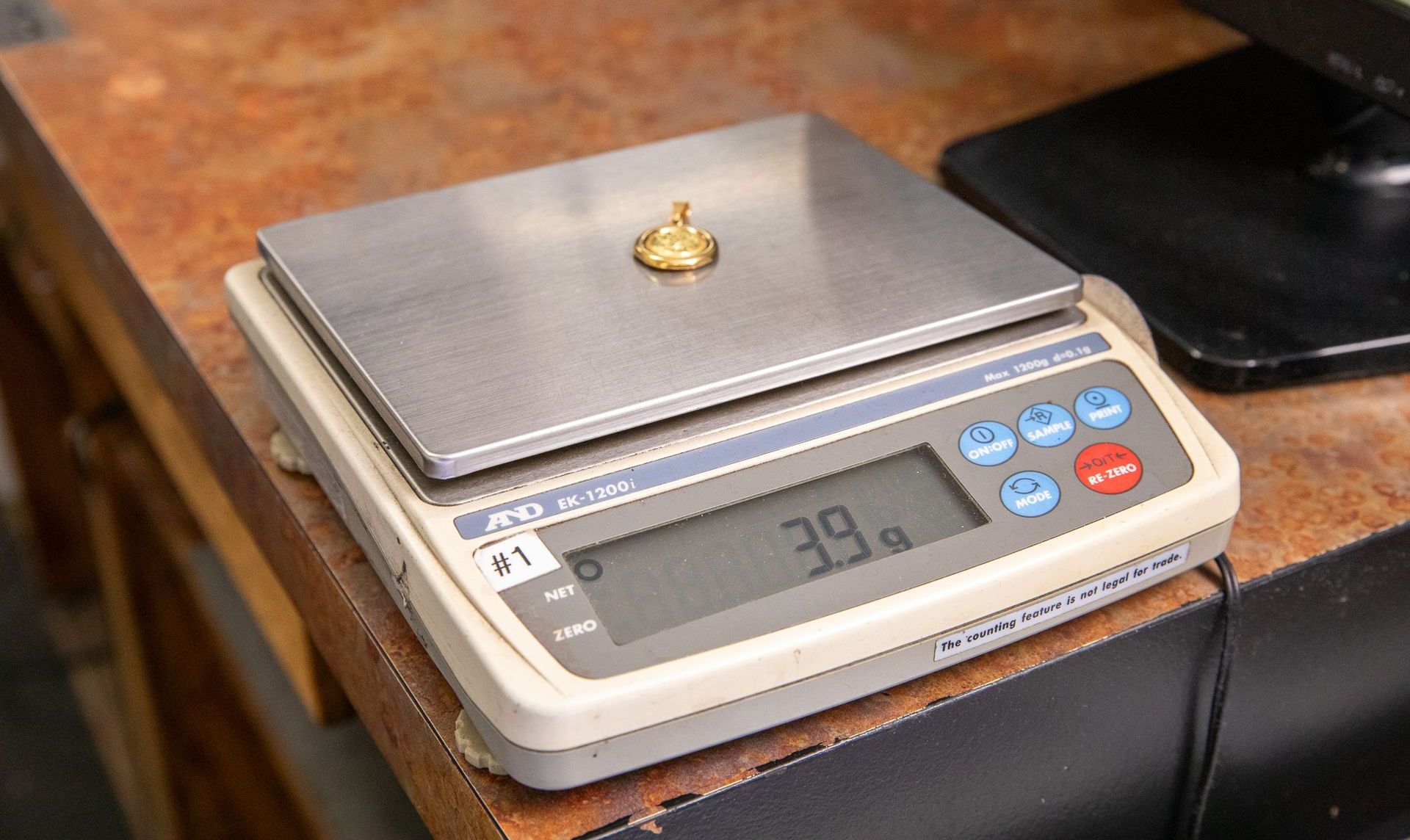
High-grade jewelry feels substantial in your hand. Precious metals like gold and platinum are naturally dense, meaning a well-crafted piece should have a satisfying weight rather than feeling light or hollow.
- Smoothness and Polish: Examine the metal surfaces, including the back and underside of the piece. Quality craftsmanship means every millimeter—even hidden areas—is polished completely smooth with no rough edges, sharp seams, or pitted surfaces left over from the casting process.
- Solid Construction vs. Hollow Metal: Cheaper manufacturing often uses hollowed-out backings or thin, flimsy shanks to save on raw materials. High-quality pieces feature solid under-galleries and sturdy bands that resist bending or warping during daily wear.
- Seamless Joints: Look closely at where joints, hinges, or clasps connect. High-grade soldering is virtually invisible, with no messy overlap, discoloration, or weak solder spots.
3. Examine Gemstone Quality and Setting Integrity
Gemstones are often the focal point of fine jewelry, but how those stones are cut, graded, and secured makes all the difference in long-term durability.
- The 4 Cs for Diamonds: Always evaluate cut, color, clarity, and carat weight. A high-quality diamond will display exceptional fire and brilliance, even in low light.
- Colored Gemstones: Look for rich, vivid color saturation, good clarity, and a balanced cut that reflects light evenly throughout the stone rather than showing a dull, dead spot ("extinction") in the center.
- Prongs and Setting Craftsmanship: Inspect how the stone is held in place:
- Prongs should be even, rounded, and pressed firmly against the stone with no gaps.
- Bezel settings should wrap smoothly around the perimeter of the gem without jagged edges.
- Channel-set stones should align in a straight, uniform line without twisting or loosening.
- Avoid Glue: Fine jewelry never uses glue to secure diamonds, sapphires, or rubies into metal mountings. Stones should always be held securely by mechanical metal settings (prongs, bezels, channel, or pave). Note: Organic pearls are the primary exception, where post-and-peg adhesive methods are standard.
4. Test Mechanical Elements and Clasps
A piece of jewelry is only as strong as its weakest link. High-end craftsmanship extends to functional hardware:
- Clasps and Catches: Test lobster clasps, spring rings, and box clasps multiple times. They should open smoothly and snap shut with a firm, tactile click. Box clasps on tennis bracelets or heavy chains should include an additional safety latch on the side.
- Hinges and Articulation: On tennis bracelets, drop earrings, or multi-link necklaces, each joint should move fluidly without sticking, catching, or twisting awkwardly.
Why Craftsmanship Matters for Buyers, Resellers, and Repairs
Understanding these quality markers gives you a clear advantage in every jewelry transaction:
- For Buyers: You can confidently verify whether a piece is worth its asking price and buy items that will hold their intrinsic value for years to come.
- For Resellers: Spotting authentic hallmarks, solid metal weight, and superior settings helps you identify high-margin estate pieces and avoid gold-plated imitations.
- For Repairs & Custom Redesigns: Evaluating a piece's underlying structural integrity helps you determine whether resetting a stone or repairing a worn shank is a smart investment—or if the metal is too thin to support long-term repairs.
Get Expert Jewelry Evaluations at Gems & Loans
Whether you are looking to buy authenticated pre-owned fine jewelry, get a cash loan against your precious metals, or have a cherished piece evaluated for repair, trust the experienced team at Gems & Loans.
Visit any of our Southern California pawn and jewelry locations today for expert evaluations, fair pricing, and an unbeatable selection of high-quality fine jewelry.